
13.52 mm laminated glass
مقدمهای بر جداول ساخت فولاد ساخت فولاد یکی از مقیاسهای مهم در صنعت ساختمانی و مهندسی است. جداول ساخت فولاد وسیلهای کاربردی برای مهندسان و طراحان به شمار میرود، چرا که اطلاعات لازم برای انتخاب مناسبترین نوع و ابعاد مقاطع فولادی را در اختیار آنها قرار میدهد. در این مقاله به بررسی ویژگیها و اهمیت جداول ساخت فولاد میپردازیم و چگونگی استفاده از آنها را بررسی خواهیم کرد. انوع مقاطع فولادی اولین گام برای استفاده از جداول ساخت فولاد، آشنایی با انواع مختلف مقاطع فولادی است. مقاطع فولادی به طور کلی به دو دسته عمده تقسیم میشوند مقاطع ساختمانی و مقاطع صنعتی. مقاطع ساختمانی شامل تیرها، ستونها، و صفحات هستند که برای ساخت ساختمانها و سازههای عظیم به کار میروند. در مقابل، مقاطع صنعتی معمولاً برای تولید تجهیزات و ماشینآلات استفاده میشوند. اهمیت استفاده از جداول ساخت فولاد جداول ساخت فولاد اطلاعاتی مثل ابعاد مقاطع، وزن، و ویژگیهای مکانیکی را ارائه میدهند. این اطلاعات به مهندسان کمک میکند تا . 2. محاسبات دقیق استفاده از اطلاعات موجود در جدول برای محاسباتی نظیر نرمی، سختی، و مقاومت خمشی مقاطع فولادی ضروری است. این محاسبات نقش مهمی در ایمنی کلی سازه ایفا میکنند. steel fabrication table 3. کاهش هزینهها با انتخاب صحیح مقاطع و مواد اولیه، مهندسان میتوانند هزینههای ساخت و ساز را به طرز قابل توجهی کاهش دهند. استفاده از جداول به افزایش بهرهوری در این زمینه کمک میکند. نکات کلیدی در استفاده از جداول ساخت فولاد برای استفاده مؤثر از جداول ساخت فولاد، موارد زیر را باید مد نظر قرار داد 1. آشنایی با استانداردها در هنگام کار با جداول ساخت فولاد، به استانداردهای مربوطه توجه کنید. استانداردهای ملی و بینالمللی میتوانند تأثیر زیادی بر کیفیت و ایمنی سازهها داشته باشند. 2. توجه به شرایط محیطی شرایط آب و هوایی، نوع خاک و دیگر عوامل محیطی نیز در انتخاب مقاطع فولادی مؤثرند. جداول معمولاً اطلاعاتی در مورد مقاومت مواد در برابر عوامل محیطی ارائه میدهند. 3. استفاده از نرمافزارهای محاسباتی امروزه با پیشرفت فناوری، نرمافزارهایی وجود دارند که میتوانند به طور خودکار از جداول ساخت فولاد استفاده کنند. این نرمافزارها میتوانند محاسبات را تسریع بخشند و خطاهای انسانی را کاهش دهند. نتیجهگیری به طور کلی، جداول ساخت فولاد یک ابزار ضروری در طراحی و ساخت سازههای فولادی هستند. این جداول نه تنها به مهندسان کمک میکنند تا مقاطع مناسب را انتخاب کنند، بلکه به افزایش ایمنی و کاهش هزینهها نیز منجر میشوند. با توجه به تغییرات روزافزون در فناوری و فرآیندهای ساخت و ساز، آشنایی و تسلط بر استفاده از جداول ساخت فولاد میتواند در موفقیت پروژههای مهندسی نقش حیاتی ایفا کند. به همین دلیل است که مطالعه و بهکارگیری آنها در فرآیند طراحی و اجرا امری غیرقابل چشمپوشی است.
about
13.52 mm laminated glass
Understanding Thread Plug Gauge Standards Thread plug gauges are essential tools in the manufacturing and engineering industries, serving as critical instruments for the inspection and quality control of threaded components. The accuracy and reliability of these gauges are crucial in ensuring that the threads produced meet specified tolerances and functional requirements. One of the key aspects in the context of thread plug gauges is the standardization of their dimensions and characteristics, which ensures consistent performance across different applications and industries. The Importance of Standardization Standardization in thread plug gauges helps to maintain uniformity in thread dimensions among various products and manufacturers. This is vital for ensuring that parts produced by different manufacturers can fit and function correctly together, which is particularly important in industries such as aerospace, automotive, and machinery manufacturing. Without standardization, the risk of parts being incompatible increases, which can lead to costly production issues and potential safety hazards. International standards organizations, such as the International Organization for Standardization (ISO) and the American National Standards Institute (ANSI), have developed specific guidelines and standards for thread gauges. These standards outline the dimensional tolerances, materials, and usage protocols for thread plug gauges, ensuring that they meet quality assurance criteria across industries. Thread Plug Gauge Types There are various types of thread plug gauges, each designed for specific applications. The most common types include 1. Go Gauges These gauges are designed to check the maximum limit of the acceptable thread dimensions. A go gauge must fit into the threaded hole without any resistance, ensuring that the internal thread is within the specifications of the standard. 2. No-Go Gauges In contrast, the no-go gauge checks the minimum limit of the thread dimensions . If the no-go gauge fits into the thread, it indicates that the thread is out of tolerance and does not meet the required specifications. 3. Intermediate Gauges These gauges are often used for more precise applications and checking for alignment and other nuanced tolerances. thread plug gauge standard Measuring Thread Dimensions Thread plug gauges are utilized to inspect various dimensional characteristics of threads, such as pitch diameter, flank angle, and thread form. The primary measurement of interest is often the pitch diameter, which directly influences how well two threaded components will mate. Proper use of thread plug gauges helps in identifying any deviations from the desired specifications and ensures that the production process remains within the quality standards set by governing bodies. Material and Design Considerations The materials used in the construction of thread plug gauges are also crucial for their longevity and effectiveness. High-carbon steel, stainless steel, and carbide are commonly used materials that provide the necessary strength and wear resistance. The design of the gauge, including its shape and ergonomic features, also plays a role in ease of use and accuracy during inspections. Calibration and Maintenance Regular calibration and maintenance of thread plug gauges are necessary to uphold their accuracy over time. Calibration involves comparing the gauge against a standard reference to ensure it measures correctly. Regular checks will catch any drift in measurement accuracy that may arise due to wear and tear or environmental factors. Conclusion Thread plug gauge standards are vital for maintaining the integrity and quality of threaded components across diverse industries. By following established standards, manufacturers can ensure that their products will operate safely and effectively together, reducing the likelihood of costly errors and improving overall efficiency. As technology advances and new testing methodologies emerge, the continual evolution of these standards will remain essential in supporting the needs of modern manufacturing processes. Adopting rigorous testing procedures with high-quality thread plug gauges will ultimately foster a culture of precision engineering, leading to better products and increased customer satisfaction. In summary, understanding thread plug gauge standards is crucial for quality assurance and operational success in threaded part production and inspection.
-

High quality industrial productsagement

High quality industrial products
View Details -

Meet the diverse needs of customers

Meet the diverse needs of customers
View Details -

Strict quality control

Strict quality control
View Details -

Top raw materials

Top raw materials
View Details -

Trusted supplier

Trusted supplier
View Details
Our application


news and information
Vanne anti-retour de haute qualité - Solutions fiables pour la gestion des fluides
Les vannes anti-retour Un élément essentiel dans les systèmes de plomberie Les vannes anti-retour

Wskaźnik pierścienia gwintu standardowy
Standardy narzędzi do pomiaru gwintów – Gniazdo gwintowe Standardy narzędzi do pomiaru gwintów – Gni
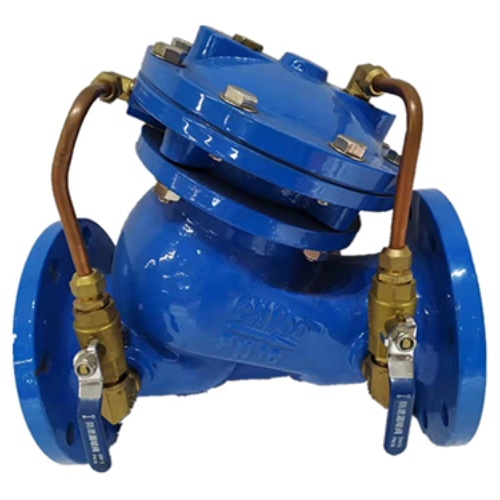
Vanne papillon à 4 % pour des applications industrielles et de contrôle de fluides efficaces
La Robinetterie Le Cas de La Papillon à Quatre Pourcents Les vannes sont des composants essentiels
 English